
Oh. My. Gosh. Are you guys okay over there?”
“Yes, the lava flow is on another island in a remote area.”
“Oh that’s one disaster I just cannot deal with…lava.”
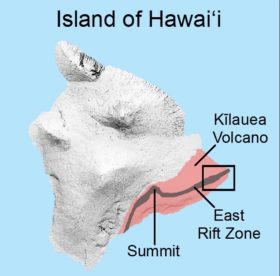
The responses I got this past few weeks speaking with others who are responsible for organizing legal responses to natural disasters was interesting. Just to be clear, the lava flow is confined to a small general area located on the island of Hawaii and OTHER ISLANDS ARE NOT IN DANGER.
I contacted other state agencies to learn about their use of technology in response to natural disasters because one of my projects this summer is to help Legal Aid Society of Hawaii apply for a Disaster Relief Grant to fund an “disaster” webpage. Preparatory Information for the community, a portal for volunteer attorneys, resources for victims of a disaster, resources for the community following the disaster, and other links to national organizations would be, ideally, maintained by one full-time attorney and two paralegals.
The Kauai flooding in April and the ongoing lava flow pushed the legal community to finally realize that a more mobile and accessible means, besides the use of paper brochures and hosting community clinics, are essential to maintain adequate access to justice for a very needy population of disaster victims. [see tables beginning pg.6]
Aside from this fascinating and relevant topic, my second project involves adding insight into the creation of the Community Navigator Project. Similar organizations in cities such as Los Angeles, New York City, Cleveland, Chicago, Houston, and Pittsburgh, LASH is planning to create a similar project that trains individuals to provide accurate and essential legal information so that they can help their community members to access legal help. My specific focus is to determine ways LASH can collect and maintain data about referrals and training so that individuals can be held accountable in the project. Trusting people to dispense accurate legal information is quite daunting, and I think collecting data is important to make sure the project is running smoothly and people are being routed to appropriate areas of legal services.
The third project I am working on is potentially implementing and designing a kiosk for our reception area or possibly add/upgrade a feature on the LASH website. While considering the audiences for each of the kiosk and the website, I have learned that these are not the same groups of people. After helping with Section 8 applications my first week, I realized that the people walking through the front door are generally unfamiliar with navigating the internet to attain their needs. That means website users are not the same as walk-in visitors. Will walk-in visitors be able to navigate a computerized kiosk similar to those at the airport?
Aloha 🌸